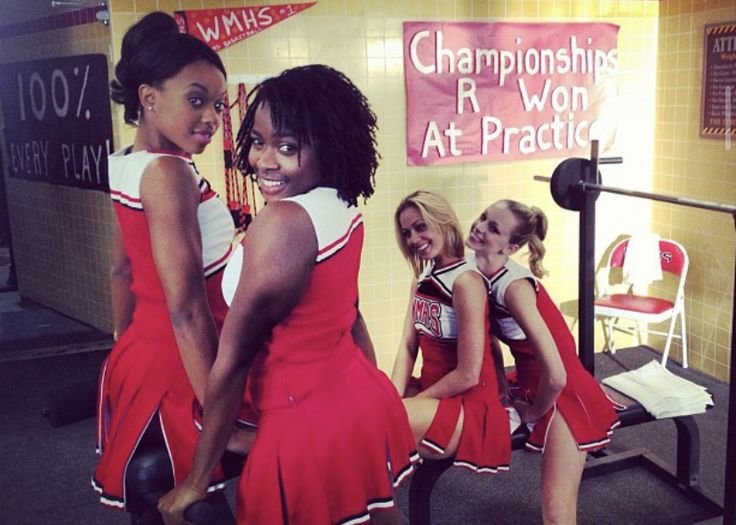
The curtain may have fallen on McKinley High's New Directions, but the vibrant, often tumultuous world of Glee continued to buzz long after its final notes faded. For fans, Glee Season 6 Behind the Scenes isn't just a collection of anecdotes; it's the untold story of a cultural phenomenon grappling with real-world challenges, creative pivots, and the enduring bonds forged on set. As the show navigated its last act, the passion, the pressure, and the personal journeys of its cast and crew were more intertwined than ever, shaping a legacy that still resonates today.
At a Glance: The Untold Stories of Glee's Final Bow
- From Audition Blunders to Iconic Roles: Discover how Lea Michele narrowly avoided missing her Rachel Berry audition and how Chris Colfer (Kurt) had a role specially written for him.
- The Physical Toll of Glee's Antics: Learn why those infamous slushy scenes were genuinely brutal for the cast.
- Fan Power in Storytelling: Understand how overwhelming fan demand directly led to the development of key relationships, like Brittany and Santana’s.
- Musical Roadblocks and Triumphs: Explore which major artists famously rejected Glee's requests and how a cast member wrote one of the show's final, most poignant songs.
- A Heartbreaking Rewrite: Uncover the original, pre-tragedy ending planned for Glee and how it had to be reshaped.
- Beyond the Screen Drama: Get insights into the real-life friendships, romances, and even controversies that unfolded off-camera.
The Serendipitous Road to Stardom: Casting the New Directions
The journey to becoming a Glee star was rarely straightforward. In a show celebrated for its underdog characters, many of its real-life actors also faced surprising twists and turns that could have seen them miss their iconic roles entirely.
Take Lea Michele, the powerhouse behind Rachel Berry. Her audition story is the stuff of Hollywood legend. Arriving late due to a car accident in the parking lot – yes, literally with glass in her hair – she managed to secure the role that would define her career. It’s a stark reminder of how a single, chaotic moment can pivot a life. Imagine Glee without Rachel's ambition and vocal prowess; it’s almost unthinkable.
Similarly, Dianna Agron, who embodied the complex cheerleader Quinn Fabray, secured her spot with breathtaking speed. She was cast a mere 24 hours before the pilot began filming, a testament to her immediate fit for the role. This eleventh-hour addition profoundly impacted the show's dynamic, giving us the nuanced character who evolved from antagonist to a core member of the Glee club family.
Then there's the heartwarming tale of Chris Colfer. Initially, Colfer auditioned for the role of Artie Abrams, the wheelchair-bound guitarist. However, the production crew was so captivated by his unique talent and charisma that they decided to create a character specifically for him: Kurt Hummel. This bespoke role allowed Colfer to bring a layer of vulnerability, strength, and pioneering spirit to network television that resonated deeply with audiences. It’s a powerful example of how sometimes, the right talent can inspire an entirely new direction, showing just how much thought went into crafting each character for the final season, which you can read All about Glee Season 6.
And who could forget Darren Criss, who breathed life into the Warbler, Blaine Anderson? Criss first tried out for the role of Finn Hudson, a part that ultimately went to the late Cory Monteith. While the character of Blaine, originally conceived as "Blair," was a distinct turn, Criss's undeniable talent shone through, leading to one of the show's most beloved and enduring characters. His contributions extended beyond acting, as he later wrote the poignant song "This Time" for Rachel to sing in the final episode, a personal tribute to his journey on the show.
From Background to Beloved: The Evolution of Brittany and Santana
Sometimes, the most compelling characters emerge from the most unexpected places. Such is the story of Heather Morris, who became the lovable and quirky Brittany S. Pierce. Morris was initially hired not as an actor, but to teach Chris Colfer the now-iconic "Single Ladies" dance for an early episode. Her natural comedic timing and dance prowess quickly caught the attention of the creators. She transitioned from a backup dancer to a third cheerleader in the background, until the character of Brittany was specifically developed for her. This organic growth highlights the show's willingness to nurture talent and let characters evolve based on the strengths of the actors.
Brittany's story is also inextricably linked to the groundbreaking relationship she shared with Santana Lopez, played by Naya Rivera. The development of "Brittana" from a subtle dynamic to a central, celebrated love story was a direct response to overwhelming fan demand. As Naya Rivera herself confirmed, the strong outpouring of support and desire from the audience played a significant role in the writers choosing to further explore and define their relationship. This fan-driven evolution speaks volumes about the connection Glee had with its viewers and its commitment to reflecting diverse relationships on screen, pushing boundaries in mainstream television.
The Gritty Reality of Glee's Glamour: Behind the Production Curtain
While Glee delivered high-energy performances and feel-good moments, the reality of producing such an ambitious musical series came with its own set of challenges, both physical and financial.
The Uncomfortable Truth About Slushies
One of Glee's most enduring visual gags was the frequent "slushy facial," a colorful, humiliating, and often hilarious rite of passage for many characters. However, what looked like sticky, fun projectiles on screen was far from it in reality. Cast members, including Lea Michele, have described the genuine discomfort of filming these scenes. The slushies were genuinely cold, dyed brightly, and difficult to remove. Michele famously stated that it required days of recovery, with the cast resorting to using shaving cream to help break down and remove the stubborn dye from their skin and hair. These moments, while iconic, highlight the physical dedication and willingness to endure discomfort that the actors brought to their roles.
A Pricey Production and Signature Style
Bringing Glee's musical numbers and dramatic storylines to life wasn't cheap. Each episode of the show cost over $3 million to produce. This substantial budget covered everything from elaborate musical arrangements, licensing over 700 songs, extensive choreography, custom sets, and, of course, the talented cast and crew. This financial commitment underscores the high production values that defined the series, even as it neared its final season.
Even the smallest details received significant attention. Sue Sylvester's signature tracksuits, a cornerstone of her iconic look, were not off-the-rack purchases. Each one was custom-made for Jane Lynch, ensuring the perfect fit and formidable silhouette. Interestingly, despite the vast number of tracksuits she wore throughout the series, there were only two distinct styles: a high-neck version and a crew neck with zips. This level of specific costume design contributed to the memorable visual identity of one of Glee's most beloved characters.
When Art Imitates Life: Personal Stories and Lasting Bonds
Glee's narrative often blurred the lines between fiction and reality, drawing inspiration from the real-life experiences of its cast and fostering genuine connections that lasted long after the cameras stopped rolling.
Real-Life Inspiration for On-Screen Drama
The writers of Glee frequently mined the personal histories of their actors for story ideas, lending an authentic touch to the show's storylines. A notable example comes from Chris Colfer. His real-life experience of being denied the opportunity to sing "Defying Gravity" in school, simply because he was a boy, became a poignant and impactful plot point in an early season episode. This integration of personal anecdotes into the fictional world of McKinley High not only enriched the narrative but also allowed the actors to bring an even deeper level of truth to their performances.
Love and Friendship Beyond the Script
The intense environment of a television set often sparks real-life relationships, and Glee was no exception. Several cast members dated in real life during the show's run, adding another layer of intrigue and connection behind the scenes. These off-screen romances sometimes even mirrored or influenced on-screen dynamics, further blurring the lines between the actors and their characters.
Beyond romantic connections, deep friendships were forged. As a touching tribute to The Beatles and a symbol of their bond, Lea Michele, Jenna Ushkowitz (Tina), and Kevin McHale (Artie) got matching "imagine" tattoos on their feet. This shared experience speaks to the close-knit family dynamic that developed among the cast members, transcending their on-screen roles.
The Music Maelstrom: Licensing, Rejections, and Original Contributions
Music was the beating heart of Glee, but filling its 700+ song catalog was a complex journey of negotiations, rejections, and even original compositions from unexpected sources.
The Artists Who Said "No"
While Glee managed to secure rights to an astonishing array of popular songs, not every artist was keen to have their music featured. Several prominent musicians and bands famously rejected the show's requests, including Kings of Leon, Foo Fighters, and Guns N’ Roses. The reasons varied, from creative control concerns to a perceived mismatch with the show's tone. Dave Grohl of Foo Fighters was particularly outspoken, publicly criticizing Glee's approach to cover songs. These rejections highlight the subjective nature of artistic collaboration and the show's persistent efforts to diversify its musical offerings.
A Cast Member's Creative Contribution
Beyond performing, some cast members even contributed to Glee's original music. Darren Criss, who played Blaine, showcased his songwriting talents by composing the song "This Time." Performed by Lea Michele as Rachel Berry in the final episode, the song served as a poignant farewell and a beautiful, personal tribute from Criss to his time on the show and its impact. It encapsulated the emotional weight of saying goodbye, not just for the characters but for the actors themselves.
A Devastating Loss, A Redefined Ending: Saying Goodbye to Finn
Perhaps the most profound behind-the-scenes story of Glee is the tragic loss of Cory Monteith, who played the beloved Finn Hudson, in 2013. His death irrevocably altered the show's trajectory, particularly its planned ending.
The Ending That Never Was
Before Monteith's passing, Glee's creator Ryan Murphy had a clear vision for the show's ultimate conclusion. The original ending, which Murphy revealed at Monteith's private memorial service, envisioned Rachel Berry achieving her Broadway dream. Simultaneously, Finn Hudson would become a teacher in Ohio, guiding a new generation of Glee club hopefuls. The series would culminate in a powerful final scene: Rachel, having conquered Broadway, would return to Finn's glee club. Their dialogue would be simple yet loaded with meaning: Finn: "What are you doing here?" Rachel: "I'm home." This intended ending speaks to the core themes of the show – dreams, home, and the enduring connection between these two characters. Monteith's passing made this heartwarming, cyclical conclusion impossible, forcing the writers to pivot and craft a new, equally poignant, but different farewell.
The Shadow of Controversy: Navigating the Workplace
Even a show celebrated for its messages of inclusivity and acceptance faced its share of public controversy behind the scenes. Lea Michele, while undeniably talented, faced accusations from several former cast members regarding her on-set behavior, describing it as creating a "bad work environment." These allegations, which surfaced years after the show concluded, sparked widespread discussion and prompted Michele to issue an apology. This difficult chapter serves as a reminder that even in seemingly harmonious productions, workplace dynamics can be complex and sometimes challenging, requiring accountability and reflection from all involved.
Beyond the Final Bow: The Enduring Legacy of Friendships
Seven years might have passed since the final episode aired, but the bonds forged on the Glee set have proven remarkably resilient. The cast often speaks of their time together as forming a unique family, and their post-show interactions certainly support this.
The friendships extend far beyond casual catch-ups. Jenna Ushkowitz and Kevin McHale, who played Tina and Artie, continue to collaborate, co-hosting a popular podcast where they revisit episodes of the show and share behind-the-scenes insights. Jane Lynch, known for her role as Sue Sylvester, officiated the wedding of Becca Tobin (Kitty Wilde), showcasing the deep personal connections that transcended professional boundaries. Many other cast members have been seen attending each other's weddings, celebrating life milestones, and even appearing together in other productions. These ongoing relationships are a heartwarming testament to the profound impact Glee had on the lives of those involved, proving that the camaraderie on screen often reflected genuine affection off it.
The Unseen Chorus: What Glee's Final Act Teaches Us
Glee Season 6 Behind the Scenes isn't just a collection of fun facts; it's a testament to the immense creativity, dedication, and human resilience required to bring such a monumental show to life. From the unexpected casting choices and the physical demands of filming to the personal triumphs and devastating losses, the journey of Glee was as dramatic and inspiring as any of its on-screen narratives.
Understanding these hidden layers enriches our appreciation for the series, revealing the courage to adapt in the face of tragedy, the power of fan engagement, and the indelible mark left by a cast and crew who poured their hearts into every performance. Glee may have ended, but its stories, both seen and unseen, continue to resonate, reminding us that the most impactful art is often born from a complex, messy, and deeply human process.