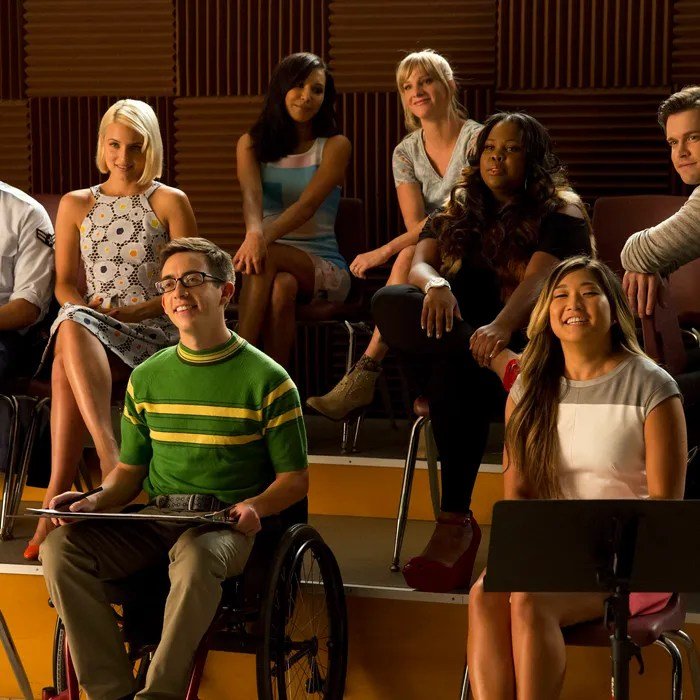
The lights dimmed for the final time. After six seasons of soaring anthems, heartbreaking ballads, and a rollercoaster of teenage drama, Glee took its last bow with "Dreams Come True." For many, this ultimate installment offered a much-needed sense of closure, a glimpse into the futures of the New Directions, and a poignant tribute to its heart and soul. But a truly comprehensive Glee Season 6 Series Finale Analysis isn't just about what happened; it's about what it meant, what it promised, and how it cemented the show’s place in television history.
Was it a perfect ending? Few series finales are. But "Dreams Come True" aimed to deliver what Glee always promised: hope, acceptance, and the power of dreams.
At a Glance: "Dreams Come True" in a Nutshell
- Dual Timeframes: The episode cleverly splits its focus between a pivotal 2015 setting (the final Nationals win) and a flash-forward to 2020.
- Tribute to Finn: The emotional core revolves around honoring Finn Hudson, culminating in the McKinley High auditorium being renamed after him.
- Character Futures Revealed: Viewers get definitive answers about the destinies of core characters like Rachel, Kurt, Blaine, Artie, Tina, Mercedes, and Sam.
- Unexpected Redemption: Sue Sylvester's journey takes a surprisingly positive, albeit comically absurd, turn.
- Full Circle Moment: Sam Evans returns to lead the New Directions, signifying the enduring legacy of the Glee Club.
- Optimistic Outlook: Despite past challenges, the finale delivers overwhelmingly happy endings for its main cast, emphasizing the show's core message of hope.
The Final Curtain Call: A Bittersweet Goodbye
For six years, Glee defied categorization. It was a musical, a comedy, a drama, a teen show, and a cultural phenomenon all rolled into one. It championed the underdogs, celebrated individuality, and taught us to embrace our unique voices. By Season 6, the show had navigated cast changes, real-life tragedies, and shifting creative directions, leading to a leaner, more focused narrative. The final episode, "Dreams Come True," bore the immense weight of expectation, not just to wrap up plotlines, but to provide an emotionally resonant farewell to characters who had become like family.
It wasn't merely about tying up loose ends; it was about reaffirming the show's core philosophy. The challenge for any series finale, especially one as beloved and scrutinized as Glee's, is to strike a balance between fan service and genuine storytelling. The creators opted for an unabashedly optimistic approach, choosing to leave viewers with a feeling of warmth and accomplishment rather than lingering ambiguity.
From Lima to the World: Setting the Stage for the End
Before diving into the finale itself, it's worth remembering the journey. The early seasons of Glee captured lightning in a bottle, blending sharp wit with incredible musical performances and genuine heart. As the show progressed, its scope expanded, moving beyond McKinley High to New York, and then contracting again in its final season. Season 6, in many ways, felt like a deliberate return to basics, focusing on the origins of the Glee Club and the mentorship aspect that defined it.
This final season wasn't without its critics, but it laid the groundwork for the finale by bringing many original characters back to Lima. It set up the idea of passing the torch and revisiting the core themes of acceptance and the fight for the arts in schools. Understanding this context helps frame the choices made in "Dreams Come True"—choices that aimed to connect the show's beginning, middle, and end. If you’re looking to recap the entire final run, you can always refer back to Your guide to Glee Season 6 for a full overview.
"Dreams Come True": A Glimpse into the Future
The finale is essentially a two-part narrative. The first segment, set in 2015, focuses on the Glee Club's triumph at Nationals, a moment that feels both like a return to form and a powerful tribute. The second, and arguably most significant, portion jumps ahead to 2020, offering a vision of the future that is largely bright and fulfilling for the characters we’ve grown to love.
The 2015 Nationals: A Victory for the Ages
The episode opens with the New Directions, under the guidance of Rachel, Kurt, and Blaine, winning Nationals. This isn't just any victory; it's presented as the catalyst for a monumental shift at McKinley High. The win inspires the school board to transform McKinley into a performing arts magnet school, with Sam Evans as its new director of New Directions. This sequence is laden with nostalgia and emotion, particularly the dedication of the newly named "Finn Hudson Auditorium."
This moment felt earned. After years of struggle, the Glee Club finally achieved the recognition it deserved, not just for the students, but for the legacy of its founders, especially Finn. The performance of "I Lived" by OneRepublic, intertwined with a montage of past Glee Club members and pivotal moments, served as a powerful reminder of the most iconic musical performances from Glee and the journey shared by the characters and the audience. It was a tearful, triumphant acknowledgment of the show's emotional bedrock.
The 2020 Flashforward: Where Are They Now?
The core of the finale’s "closure" comes from the five-year time jump. Here's a breakdown of what the future held for some key players:
Rachel Berry: Broadway Star, Wife, and Mother
Rachel’s destiny always seemed clear: Broadway stardom. By 2020, she has achieved it, winning a Tony Award. More surprising, perhaps, is her marriage to Jesse St. James and their expecting a child, with Kurt and Blaine acting as surrogates. This arc felt like a neat bow on Rachel’s story, fulfilling her professional dreams while also giving her a personal life that balanced her ambition with familial love. It’s a testament to the show’s desire to offer its lead a complete, happy ending.
Kurt and Blaine: Activists, Broadway Performers, and Parents
"Klaine" also finds domestic bliss in New York. Blaine is a successful Broadway performer, and Kurt is pursuing activism, using his platform to promote arts education. Their decision to be surrogates for Rachel and Jesse underscores their deep bonds of friendship and family. It’s a vision of a loving, supportive partnership that resonated with many fans, showcasing a positive representation of LGBTQ+ relationships and family building.
Artie Abrams and Tina Cohen-Chang: Filmmaking and Romance
Artie becomes a successful independent filmmaker, winning awards for his work. Tina, initially his muse, becomes his co-star and, implicitly, his romantic partner. Their journey from the sidelines of the New Directions to acclaimed artists was a quietly satisfying arc, demonstrating that success isn't always about the biggest stage, but about finding your passion and sharing it with someone you love.
Mercedes Jones: Unstoppable Music Sensation
Mercedes lives out her dream as a hugely successful recording artist, selling out arenas worldwide. Her story is less about struggle and more about pure, unadulterated triumph, a testament to her incredible talent and unwavering self-belief. Her character arc always felt consistent, and her success in 2020 was a well-deserved, celebratory conclusion to her personal story.
Sam Evans: The New Face of McKinley's Glee Club
Perhaps the most poignant full-circle moment belongs to Sam. He takes over as the new director of New Directions at the revitalized McKinley High, fulfilling a role once held by Mr. Schuester. This choice reinforces the idea of legacy and mentorship, showing how the inspiration of one generation can ignite the next. Sam, the sweet, often goofy "Trouty Mouth," evolving into a respected mentor, beautifully encapsulates the enduring spirit of the Glee Club.
Sue Sylvester: The Unlikeliest President
In the most surprising, and comically absurd, twist, Sue Sylvester becomes the Vice President of the United States, and eventually the President. Her journey, from McKinley's tyrannical cheerleading coach to a powerful political figure, is pure Glee. It’s a redemption arc that leans heavily into the show's unique brand of humor, suggesting that even the most formidable antagonists can find their purpose, albeit through unconventional means.
Themes and Triumphs: What the Finale Got Right
Amidst the emotional goodbyes and future revelations, "Dreams Come True" nailed several key aspects that left many viewers satisfied.
Honoring Finn Hudson: The Heart of the Show
Undeniably, the most impactful element of the finale was its heartfelt tribute to Finn Hudson, played by the late Cory Monteith. The renaming of the auditorium, the flashbacks, and the collective grief and love expressed by the characters served as a profound acknowledgment of his central role in the show's narrative and its emotional core. It wasn't just about his character; it was a deeply personal moment for the cast and crew, and by extension, the audience. This tribute cemented Finn’s enduring legacy, not just within the show’s universe but within the hearts of its viewers. It served as a powerful anchor for the episode, grounding the often fantastical elements in a very real, very human emotion.
Legacy and Mentorship: Passing the Torch
The decision to have Sam take over the Glee Club and McKinley transform into a performing arts school spoke volumes about the show's core message. It emphasized that the lessons learned, the friendships forged, and the music made within the Glee Club weren't just fleeting high school memories. They were foundations for future success and inspiration for new generations. The finale underscored the cyclical nature of creative passion, with former students becoming the mentors for the next wave of dreamers. This sense of continuity provided a satisfying resolution, assuring us that the spirit of Glee would live on.
Optimism and Happy Endings: A Deliberate Choice
Glee was often criticized for its unrealistic portrayal of high school and its tendency towards saccharine sentimentality. The finale embraced this fully, delivering overwhelmingly happy endings for almost everyone. Rachel got her Tony, Kurt and Blaine found domestic bliss, and even Sue achieved unimaginable power. This wasn't an accident; it was a conscious decision to give the characters—and the audience—a sense of hope and joy. In a world often filled with cynicism, Glee chose to end on a high note, reminding us that with perseverance and belief, dreams truly can come true. This unwavering optimism is a hallmark of Glee's lasting cultural impact.
The Power of Music and Community: The Unifying Force
From the very first episode, Glee was about the power of music to bring people together, heal wounds, and express emotions words couldn't capture. The finale reinforced this message with every performance, every shared glance, and every communal celebration. The final song, a medley of "Don't Stop Believin'" and "Sit Down, You're Rockin' the Boat," performed by the entire extended Glee family (including surprise appearances), was a potent reminder of the show's unifying theme. It wasn't just about singing; it was about belonging, about finding your tribe, and about the transformative magic of shared artistic expression.
Lingering Questions and Missed Notes: What Could Have Been Different?
While "Dreams Come True" was largely well-received, like any ambitious finale, it left some viewers wishing for more, or questioning certain narrative choices. A critical Glee Season 6 Series Finale Analysis wouldn't be complete without addressing these points.
The Unseen Futures: Where Were the Rest?
One common critique was the limited scope of the 2020 flash-forward. While key characters like Rachel, Kurt, Blaine, Artie, Tina, Mercedes, and Sam got definitive happy endings, many other beloved characters were largely absent from the detailed future. What became of Quinn, Puck, Santana, Brittany, Mike, and others who were integral to the show’s journey? While they appeared in the final performance, their individual futures remained largely unaddressed. This felt like a necessary sacrifice to focus on a core group, but it left some longing for more comprehensive closure for the emotional arcs of Glee's beloved characters.
Pacing and Compression: Years in Minutes
Jumping five years into the future allowed for satisfying conclusions, but it also meant compressing a lot of character development and life events into very brief snippets. Rachel's Tony win, her marriage to Jesse, and their decision to have a child were all revealed in quick succession. This expedited timeline, while efficient, sometimes sacrificed the nuance and journey that Glee had once excelled at portraying. It felt more like a checklist of happy endings than organically developed paths.
Sue Sylvester's Redemption: Too Convenient?
Sue Sylvester’s transformation into Vice President and then President was undoubtedly entertaining and uniquely Glee. However, for some, her sudden shift from antagonist to powerful, benevolent leader felt unearned. While Sue always had a hidden heart, her past actions (including trying to destroy the Glee Club repeatedly) made her redemption arc feel more like a comedic contrivance than a fully developed character journey. It was a high-wire act of narrative gymnastics, pulling off a grand, funny ending for her, but perhaps sacrificing a bit of believable character progression.
Predictability vs. Poignancy: Playing It Safe?
The finale delivered exactly what many expected: Rachel on Broadway, Klaine together, everyone happy. While this provided comfort and closure, some wondered if it leaned too heavily into predictability, avoiding any challenging or bittersweet resolutions. Did Glee play it too safe in its final moments, opting for universal happiness over more complex or realistic outcomes? This perspective suggests that while the finale was heartwarming, it might have lacked the narrative bite or unexpected twists that characterized some of the show's earlier, bolder moments. It often felt like how Glee's writing evolved over its run leaned into fan expectation.
Beyond the Final Curtain: Glee's Enduring Impact
Even with its imperfections, "Dreams Come True" cemented Glee's place in television history, not just as a musical show, but as a cultural touchstone.
Cultural Significance: Changing the Landscape
Glee broke barriers, bringing musical theater into mainstream television in an unprecedented way. It tackled sensitive topics like LGBTQ+ rights, bullying, disability, and identity with a unique blend of humor and heart. It introduced a generation to classic songs and contemporary hits, sparking countless karaoke nights and school choir revivals. The show’s impact on popular culture, music sales, and the visibility of marginalized communities is undeniable. It paved the way for other musical TV shows and proved that a show focused on kindness and acceptance could also be a massive hit. The show genuinely changed conversations around these topics, leaving a legacy far beyond its final notes.
The Fan Experience: A Deeply Personal Connection
For its devoted fanbase, Glee was more than just a TV show; it was a community. Viewers invested deeply in the characters, celebrated their triumphs, and mourned their losses. The finale, therefore, wasn't just a television event; it was a shared emotional experience, a collective exhale after years of investment. The show's ability to forge such a strong bond with its audience is a testament to its compelling characters and its powerful, often uplifting, messages.
What Could Have Been: The Shadow of Reality
It's impossible to discuss the Glee finale without acknowledging the real-world tragedies that profoundly impacted its trajectory, most notably the passing of Cory Monteith. His death necessitated significant rewrites and a shift in focus, and the emotional weight of Finn’s absence permeated the later seasons. The "Dreams Come True" finale, with its emphasis on Finn’s legacy and the spirit of the Glee Club living on, served as a beautiful, albeit bittersweet, tribute to both the character and the actor. It’s a powerful example of how a show can adapt and honor its past while still looking to the future.
Revisiting "Dreams Come True" Today: A Legacy Examined
Years have passed since "Dreams Come True" first aired, offering us the benefit of hindsight. How does the finale hold up? For many, it remains a comforting and satisfying conclusion. In an era of increasingly complex and often ambiguous series finales, Glee's unwavering optimism stands out. It's a reminder of a show that, despite its flaws, always aimed to uplift and inspire.
The decision to focus on happiness and closure feels less like a cop-out and more like a deliberate embrace of the show's core ethos. In a television landscape where grim and gritty often dominate, Glee chose joy. Its finale is a love letter to its characters, its music, and its enduring message: that it's okay to dream big, to believe in yourself, and to find your place in the world, even if that world initially seems determined to sideline you.
Your Own Glee Rewatch Journey: Keeping the Music Alive
If reading this analysis has reignited your love for the New Directions, why not revisit the magic? A rewatch of Glee can be a fantastic way to reconnect with its unique blend of music and heart.
- Start at the Beginning: See how far the characters have come, and appreciate the initial spark that made the show so special.
- Focus on the Music: Create playlists of your favorite performances, or even discover songs you might have overlooked.
- Explore Themes: Pay attention to how the show tackled social issues, and how relevant those discussions still are today.
- Consider What's Next: Think about the potential for Glee spin-offs or reboots and what stories might still be told in this vibrant universe.
The Glee Season 6 series finale might not have answered every question, but it offered a resounding "yes" to the power of dreams, the strength of community, and the timeless magic of music. And sometimes, that's all the closure you really need.